Link to content
Education

Education

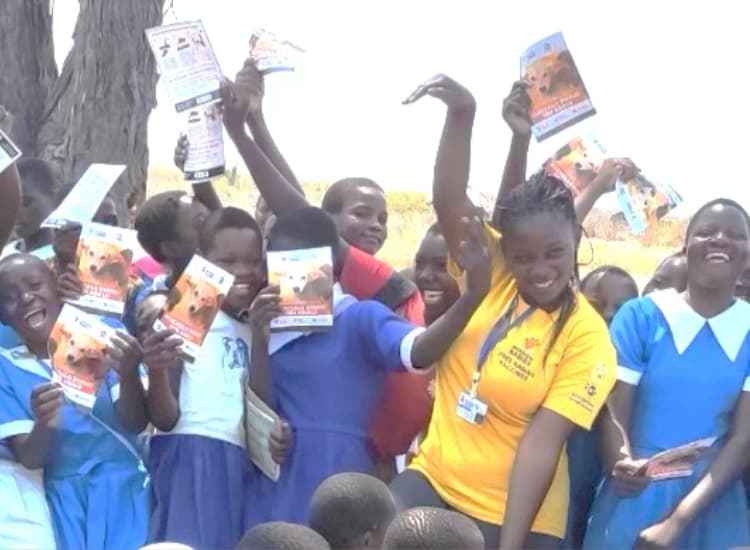
The importance of rabies education programmes for schools and communities cannot be overemphasised. Rabies is always fatal without proper treatment, which means low levels of awareness and knowledge can kill. Our lessons help further reduce the incidence of rabies, protecting vulnerable populations, and ultimately saving lives.

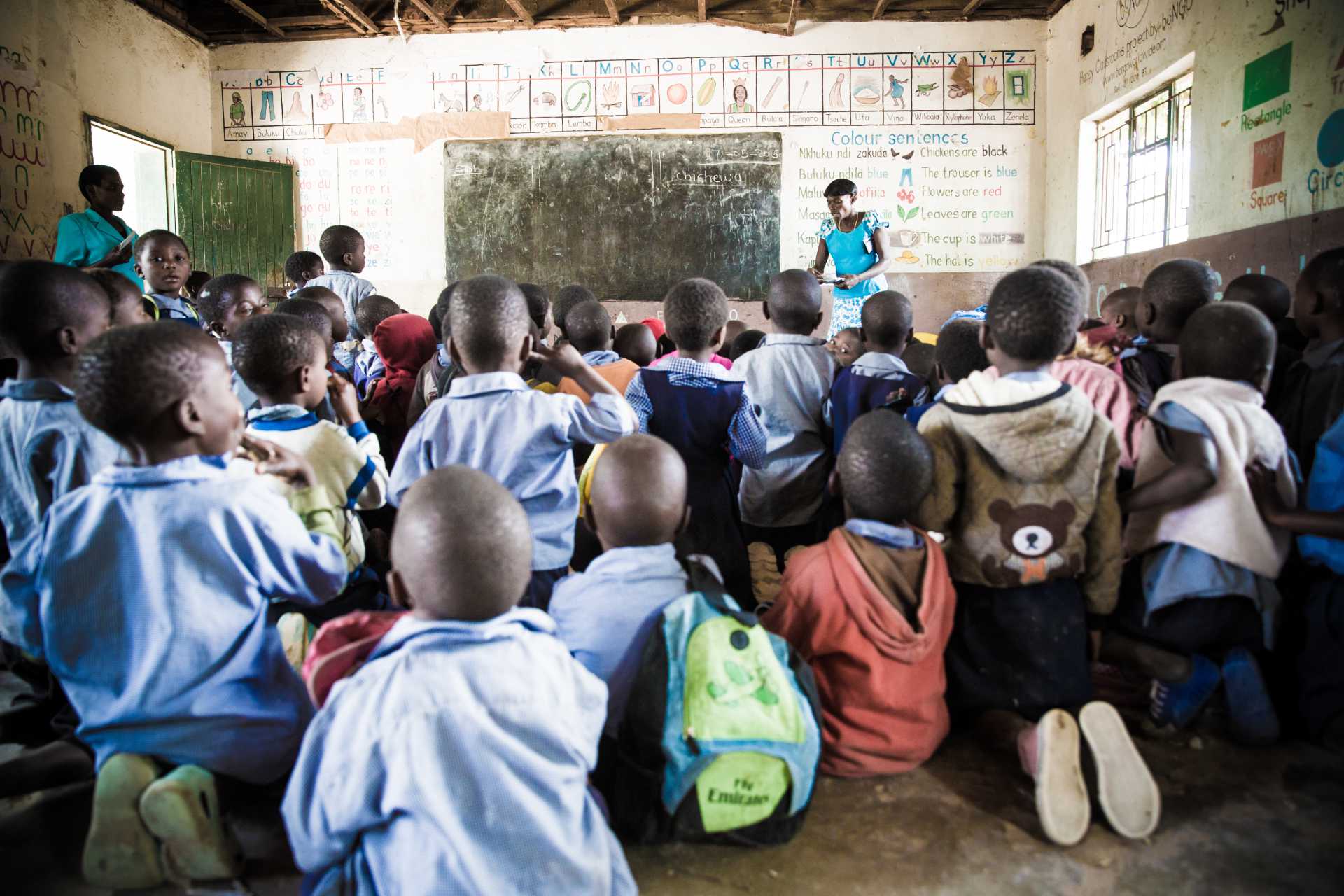
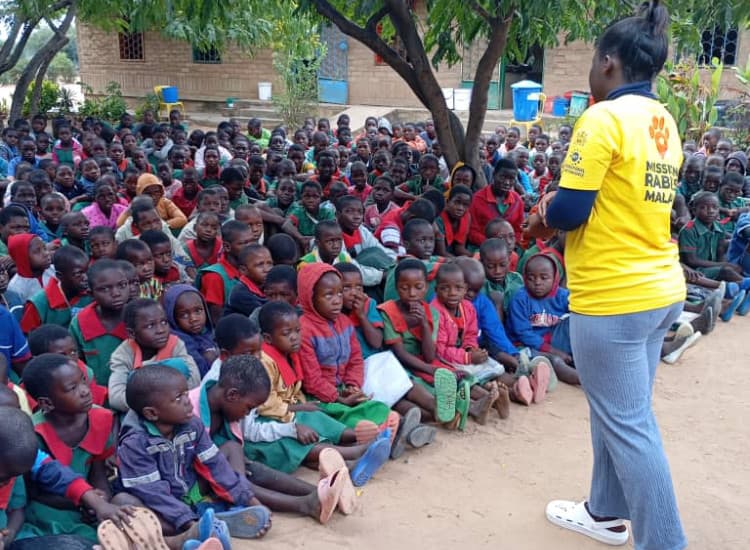
Since our initial campaign in 2015, Mission Rabies has continued to grow its education efforts alongside the expansion of our vaccination campaign. As well as delivering workshops directly for schools and communities, we train School Health and Nutrition (SHN) teachers to deliver our structured rabies education lesson plan and educational resources in their own schools.

This allows the maximum number of learners to receive our lifesaving rabies lessons whilst building local capacity in rabies education. In 2024 over 1.3 million children were reached through our education lessons in Malawi.

Mission Rabies facilitates the delivery of rabies education in schools and communities for the following major reasons:

  • High risk to children - children are particularly vulnerable to dog bites and rabies. Globally, 40% of reported rabies cases are in children under 15. Educating children on how to safely interact with dogs and what to do if bitten can significantly reduce these risks.
  • Preventable disease - rabies is 100% preventable if the risks are understood and appropriate dog bite treatments are known. Education empowers communities with the knowledge to prevent rabies, saving lives.
Education
  • Impact on poor communities - rabies disproportionately affects poor and rural communities. Malawi is one of the poorest countries in the world according to the UN Human Development Report and suffers greatly from this disease. Education can help our communities protect themselves and their animals.
  • Community engagement - education fosters community engagement and encourages people to participate in vaccination and sterilisation programmes. This collective effort is crucial for controlling and eventually eliminating rabies.
Education

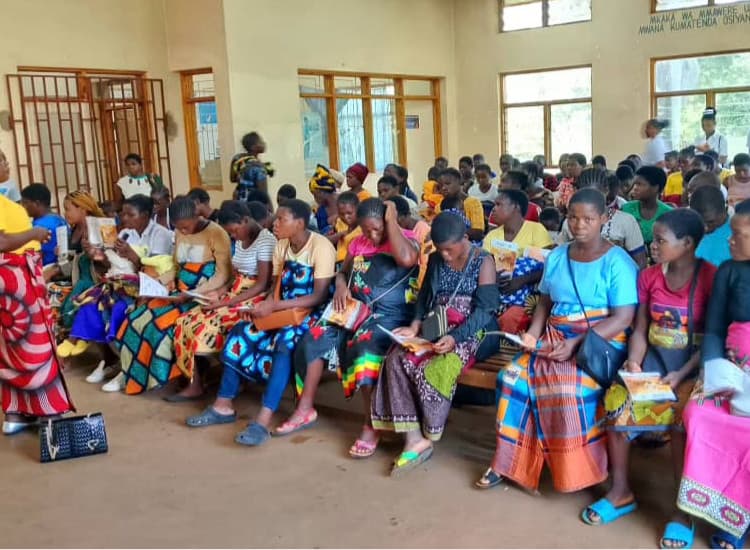
In addition to our education work with schools and community forums, we started reaching community members directly at health centres from 2022 onwards. This is a great place to educate people about rabies and what to do if you have been bitten by a dog. In addition, it enables us to promote our free rabies hotline number 3434. Posters were designed, which are put up in all the health centres across all districts where we carry out rabies surveillance. This has seen a huge uptake in reports to our hotline number, which means our surveillance team are able to locate more suspect rabid dogs and protect more people at serious risk from the disease.

If you would like to use our education materials, please visit the Resources page.

Education
Mission Rabies: Malawi | Education