Link to content
Partners

Partners

Since 2015, Mission Rabies Malawi has been an ongoing project jointly executed with the Malawi Government through the Department of Animal Health and Livestock Development (DAHLD), alongside WVS Malawi (Worldwide Veterinary Service), registered as Blantyre Society for the Protection and Care of Animals (BSPCA). Collaborations with our stakeholders, are crucial for the project's success.

Partners and Stakeholders

The mission to eliminate canine-mediated human rabies deaths in Malawi is a collaborative effort between local and international organisations, each contributing their time, expertise, finance, personnel, or infrastructure. We are incredibly grateful to all organisations and individuals involved in this endeavour. Find out more about our partners below.
Partners and Stakeholders

Department of Animal Health and Livestock Development (DAHLD- Malawi Government)

Since 2015 Mission Rabies work in Malawi has always been conducted with the close collaboration and support of the Malawian Government's Department of Animal Health and Livestock Development (DAHLD) which is responsible for the country's National Rabies Elimination Strategy. Mission Rabies provides the secretariat, and along with other key stakeholders, is also a member of Malawi's National Rabies Taskforce which was established by the DAHLD to align and implement the National Rabies Elimination Strategy.

Department of Animal Health and Livestock Development (DAHLD- Malawi Government)

WVS Malawi/Blantyre Society for the Protection and Care of Animals (BSPCA)

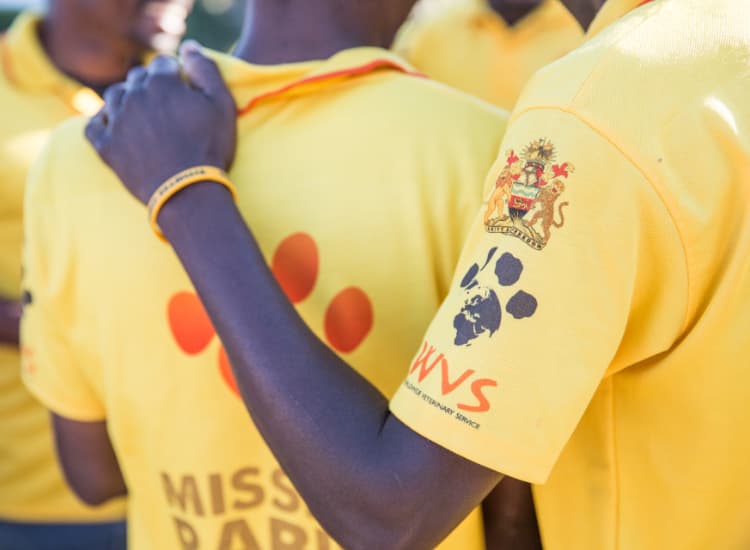
WVS Malawi, registered as BSPCA is the local implementing partner of the Mission Rabies Malawi project. WVS Malawi expertly handles the in-country budget and project logistics, facilitates government liaison, and employs key personnel. Their contributions are essential in ensuring the smooth operation of the campaigns.

WVS Malawi/Blantyre Society for the Protection and Care of Animals (BSPCA)

Blantyre Veterinary Laboratory (BVL) and Central Veterinary Laboratory (CVL)

For our work in the southern and central regions of Malawi, our rabies surveillance team work closely with Blantyre Veterinary Laboratory and Central Veterinary Laboratory respectively. Each of our canine rabies samples being tested in the field by our highly trained surveillance team is followed up with the gold standard rabies Direct Fluorescent Antibody Test (DFAT). The veterinary laboratories provide this DFAT testing capacity as well as liaising closely with our team on any dog bite victims that report to them. In addition to our Mission Rabies southern region offices in Blantyre and Zomba, we have now set up a central region base located on the CVL compound.

Blantyre Veterinary Laboratory (BVL) and Central Veterinary Laboratory (CVL)

MSD Animal Health

MSD Animal Health is a dedicated supporter of global Mission Rabies projects since 2013 and has played a crucial role in the success of our campaigns. Their generous contribution of Nobivac Rabies vaccines in Malawi since 2015, including management and sponsorship of the shipping, is instrumental in the vaccination efforts to combat rabies within the country.

MSD Animal Health

United States Centers for Disease Control and Prevention, Rabies and Poxvirus Branch (US-CDC)

The US-CDC (Centers for Disease Control and Prevention) has been a valuable collaborative partner alongside the Worldwide Veterinary Service in the development of smart phone tools utilised in this project (WVS App) and the IBCM initiative (REACT App). Additionally, the US-CDC has provided open-access planning tools for rabies vaccination campaigns (VaxPLAN), which have greatly aided in the planning process of this campaign.

United States Centers for Disease Control and Prevention, Rabies and Poxvirus Branch (US-CDC)

World Health Organization (WHO)

Thanks to WHO for their support and guidance, enabling us to take all steps to ensure consistency with WHO technical recommendations. In 2025 Mission Rabies, with the support of WHO approved training materials, facilitated Ministry of Health trainings on rabies post exposure prophylaxis (PEP) protocols and intradermal vaccine (ID) administration. This technique is vaccine sparing, allowing more dog bit victims to receive life saving rabies PEP vaccination.

World Health Organization (WHO)

Worldwide Veterinary Service (WVS)

Mission Rabies is a project of Worldwide Veterinary Service, an international animal welfare charity, that has been actively involved in rabies control efforts in Malawi since 2015.

With their extensive expertise gained from successfully conducting numerous mass canine rabies vaccination campaigns worldwide, WVS brought valuable knowledge and insights to the planning and implementation of this project.

Through their collaborative efforts, WVS has played a significant role in advancing rabies control measures, leveraging their global experience and resources to support and enhance the effectiveness of local initiatives in Malawi.

Worldwide Veterinary Service (WVS)
Mission Rabies: Malawi | Partners