
Link to content
Surveillance

Surveillance

The success of any rabies elimination strategy depends on the ongoing surveillance of rabies cases in dogs, other animals, and humans. Rabies is notifiable in Malawi, but often human and animal cases go undiagnosed and are not reported, meaning the true burden of disease is underrepresented.

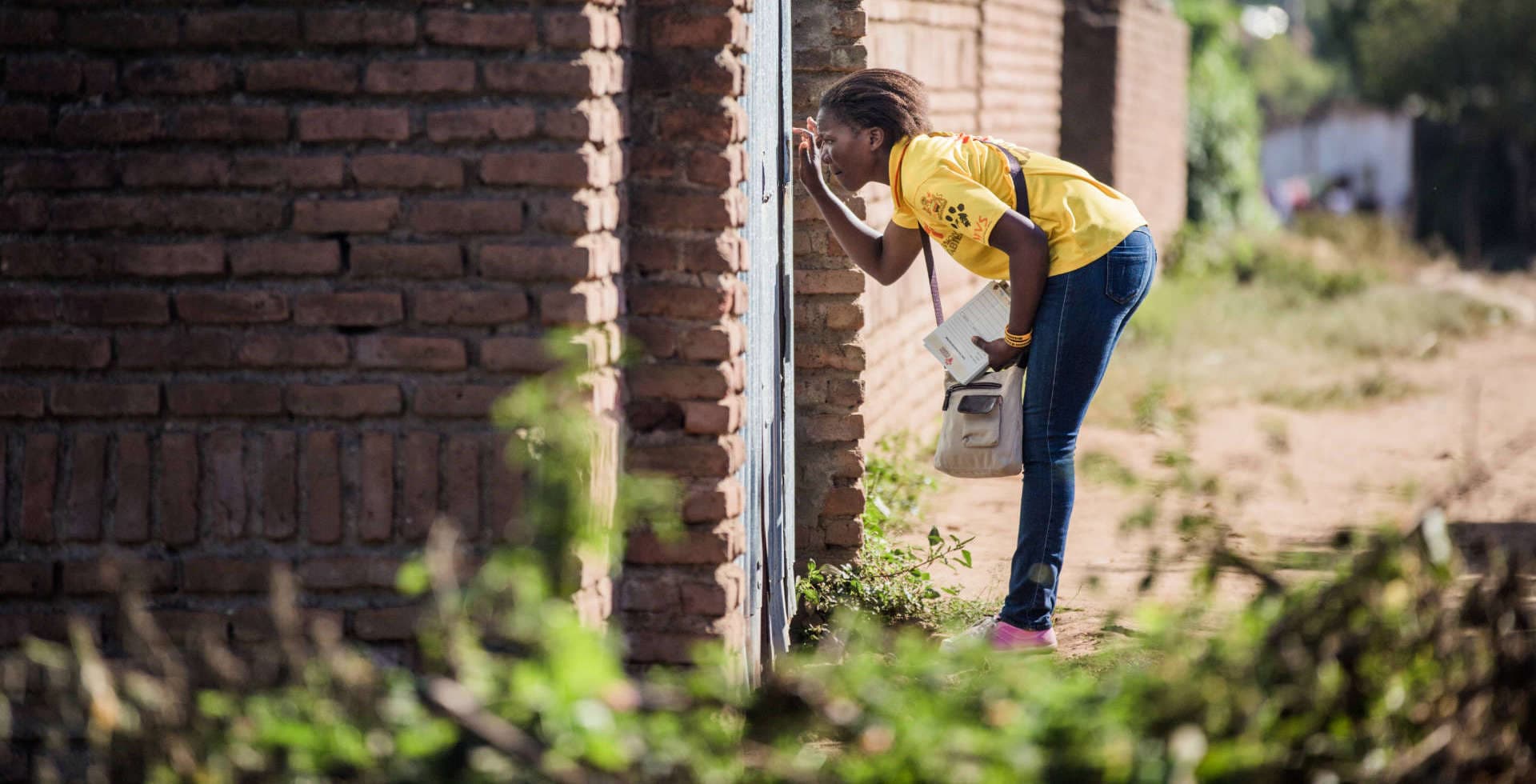
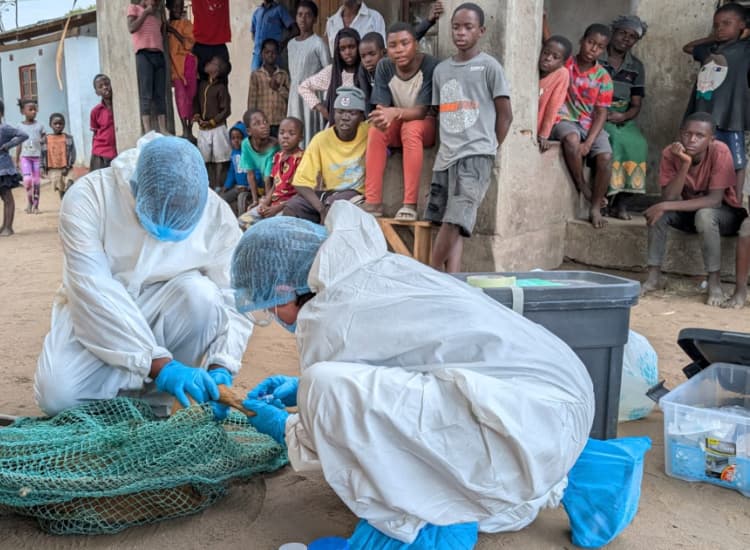
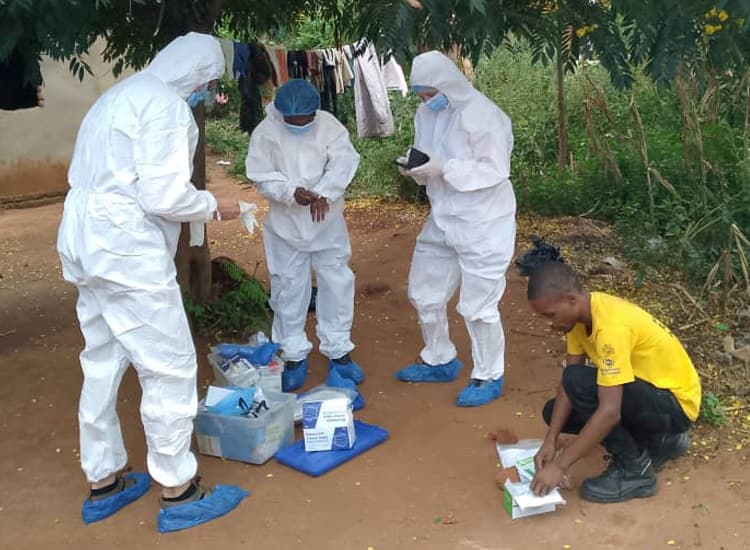
Mission Rabies continues to increase its rabies surveillance efforts through Integrated Bite Case Management (IBCM). This multi-sectoral surveillance framework is widely recognised as the 'gold standard' in rabies surveillance, helping to ensure active communication between the public health and veterinary health sectors, as well as local authorities.
The success of any rabies elimination strategy depends on the ongoing surveillance of rabies cases in dogs, other animals, and humans. Rabies is notifiable in Malawi, but often human and animal cases go undiagnosed and are not reported, meaning the true burden of disease is underrepresented.

IBCM rabies surveillance was introduced in Malawi in 2018. Through this work human and canine incidence from rabies are reduced through recognition, reporting and removal of suspected rabid animals, animal quarantine, bite-victim counseling and vaccination tracking. In 2024 we investigated 1139 dog bite cases and government DAHLD staff from districts across the southern region were trained by Mission Rabies, strengthening the capacity of Malawi's rabies surveillance network.

The success of any rabies elimination strategy depends on the ongoing surveillance of rabies cases in dogs, other animals, and humans. Rabies is notifiable in Malawi, but often human and animal cases go undiagnosed and are not reported, meaning the true burden of disease is underrepresented.
Mission Rabies: Malawi | Surveillance